The Revolution Will Be Politicized
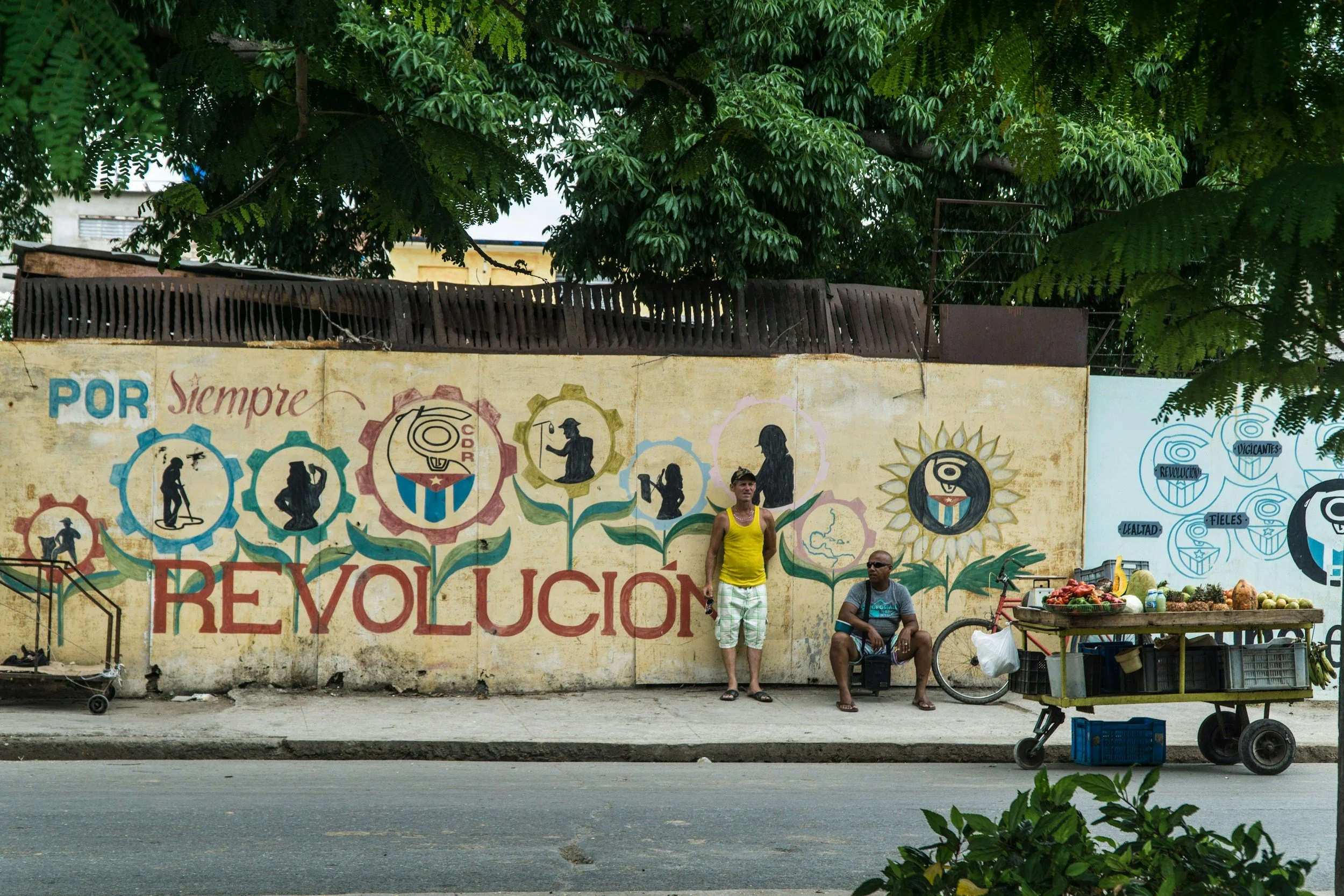
Current events often spark intense debate and polarized opinions, especially online. This post attempts a different approach that aims to step back from the noise and reflect on the deeper patterns behind global power shifts. It does not take a political side or dismiss the experiences of those most affected. Instead, it draws on history and cultural memory to explore how leadership changes often serve strategic interests rather than human well-being. The goal is simple: to create space for emotion, awareness, and discernment in a moment that feels both urgent and complex. This post was created with the assistance of artificial intelligence for research and content but shaped by the author’s own worldview.
Relief and Reality
People are allowed to celebrate a moment of relief and hope. When a long-standing source of fear, instability, or oppression is removed, it is a human right to exhale. Joy in a moment is not ignorance. Celebration does not necessarily mean an endorsement but rather an automated response to some level of relief. It is important to allow people to have their moment without scolding them for it. One thing that is for certain is that it doesn’t pay to be right at the wrong time. We are in a time of such political and social turmoil that the lessons of our past are hard to pin down with the changing climate especially where the current administration in America is concerned.
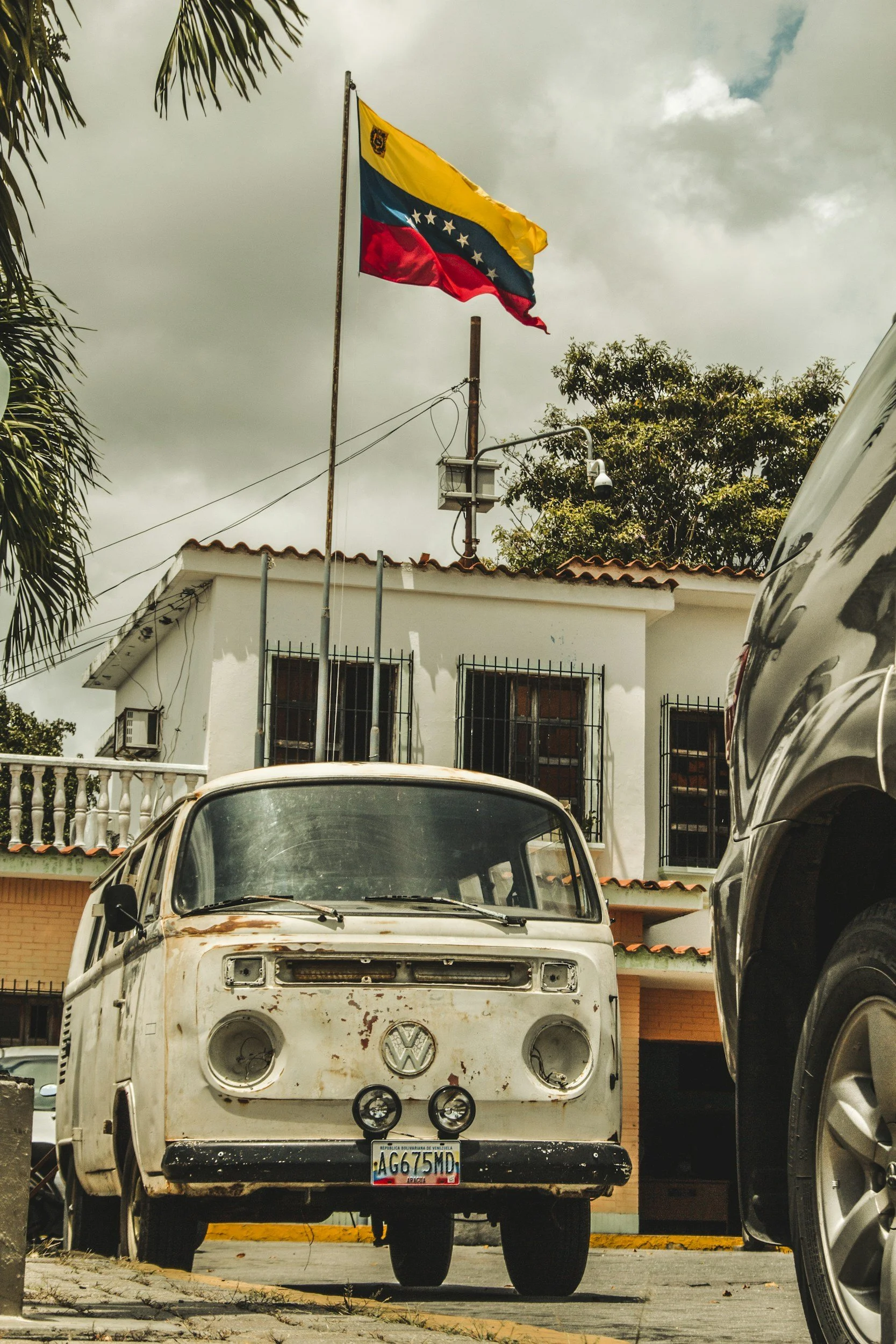
Just west of Houston, TX in Katy, a significant population of Venezuelan people were reported as celebrating after the US Army’s Delta Force, carried out a special operation to capture sitting Venezuelan president Nicolas Maduro and his wife. The former president of Venezuela who led the country through years of economic collapse, political unrest, and allegations of corruption and human rights abuses. He was captured as part of an international effort to remove him from power following accusations of authoritarian rule and ties to organized crime.
Some wonder why Venezuelans are celebrating, while others caution that history often repeats itself, especially when foreign powers like the U.S. play a role in regime change. Holding space for that joy does not require pretending that power suddenly becomes righteous. Two things can be true at the same time: a harmful figure can be removed, and the system or administration that made it happen can still be morally compromised, hypocritical, or driven by authoritarian instincts. It seems that the people of Venezuela are getting something they have asked for (and needed) for a long time. A way out of the situation they have been plagued with for a long time.
Historical Parallels
The Bible offers a striking parallel in 1 Samuel 8. The people of Israel demanded a king so they could be “like other nations.” God, through the prophet Samuel, warned them plainly what this would bring: “He will take your sons and make them serve with his chariots… He will take your daughters to be perfumers and cooks and bakers… He will take the best of your fields and vineyards… and you yourselves will become his slaves.” (1 Samuel 8:11–17) The warning was clear. Still, the people insisted: “No!” they said. “We want a king over us.” (1 Samuel 8:19) And so they were given Saul—a king who would later rule with fear, jealousy, and cruelty. The lesson was not that the people were foolish for wanting relief or security. It was that desperation can make us confuse change with salvation. The American people voted the current administration into power and now we are all witnessing the result of that decision by the half of the country that believe in the vision of Project 2025 no matter the cost. That story matters now because it reminds us that moments of political or social upheaval often feel like deliverance. People celebrate because something heavy has lifted, even if temporarily. Scripture does not mock that impulse. Instead, it warns us to stay awake after the celebration. Jesus echoed this tension when He cautioned against mistaking power for righteousness: “You know that the rulers of the Gentiles lord it over them… Not so with you.” (Matthew 20:25–26). Power can remove a tyrant and still be unjust. Authority can produce a favorable outcome and still be hollow at its core. The Bible consistently separates God’s purposes from human systems, even when those systems are used as instruments of change. So let people rejoice. Let them breathe. Let them mark the moment. Celebration does not mean blind loyalty, and gratitude does not require silence about truth. Wisdom simply asks that we don’t stop thinking once the crowd starts cheering. Revolutions are loud at the beginning. What follows matters more than what falls. Scripture doesn’t tell us to suppress joy but to pair it with discernment! Do not put your trust in princes, in human beings, who cannot save.” (Psalm 146:3)
Keeping Our Eye on the Ball
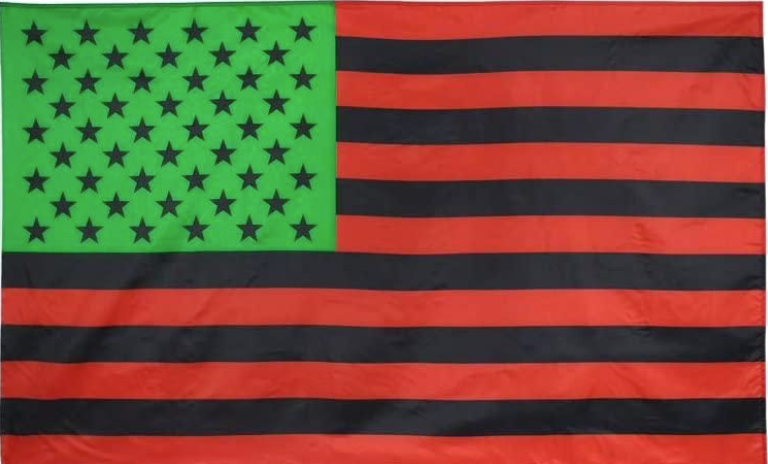
For Black people in America, moments like this should also prompt a deeper reckoning. Celebration abroad or relief at the removal of oppressive figures elsewhere cannot distract us from the unfinished work at home. Our energy is precious, and history shows that when it is scattered, our progress slows. Political power has always been the lever that shapes wealth, education, and freedom for future generations. Without it, gains are temporary and protections fragile. We have seen this pattern repeatedly: advances made, safeguards rolled back, narratives rewritten. This is where our focus needs to remain and not the distractions of the latest trending story. Our legacy has been strained and fractured by design through displacement, disenfranchisement, underfunded schools, and the constant demand to react instead of build. That reality calls for discipline, not despair. Discernment, not distraction. Keeping our eye on the ball means investing in leadership pipelines, local governance, economic infrastructure, and policy literacy that lasts longer than a news cycle. It means understanding that visibility is not the same as power, and emotion is not the same as strategy. The Bible’s warnings about misplaced trust apply here as well. Liberation without structure leaves people vulnerable to the next strongman, the next system dressed up as rescue.
History, Parallels, and the Temptation of Being Right
The capture of Venezuela’s president has naturally drawn comparisons to Manuel Noriega in Panama in the late 1980s. History gives us language for moments like this. We can point to parallels, map likely outcomes, and warn that removing a strongman does not automatically produce justice, stability, or prosperity. Those observations are often accurate. But accuracy alone is not wisdom. There is a difference between learning from history and wielding history as a moral flex. Being right too early, or too loudly, can turn insight into hubris which is not palatable right now. More importantly, it does not actually benefit the people who are breathing easier in this moment. Telling communities in relief to “look at history” can sound less like guidance and more like scolding. It centers the speaker’s correctness instead of the people’s reality. And it risks repeating the very error Scripture warns against: trusting our own understanding while neglecting humility and timing.
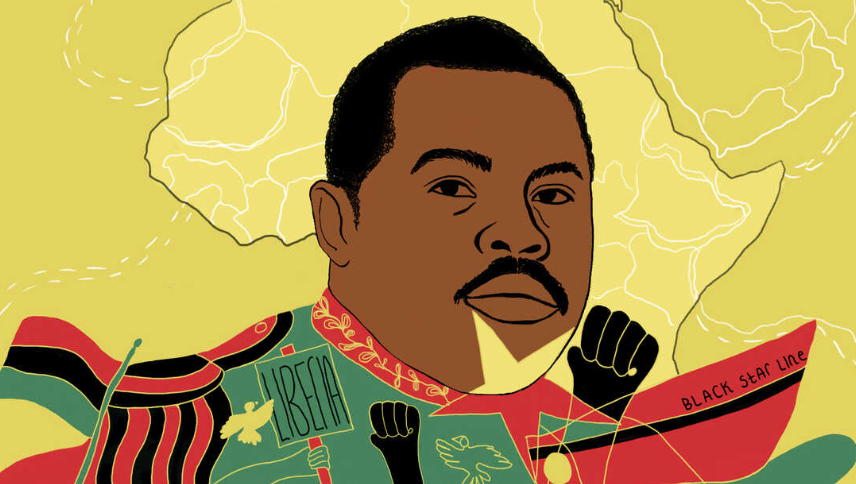
The Noriega parallel reminds us of something quieter and more sobering: the after matters more than the spectacle of the capture. What systems are rebuilt? Who controls the narrative? Who benefits materially? Those questions require patience, structure, and sustained attention—not victory laps. This is where the principle of Sankofa matters. To go back and fetch what was lost does not mean living in the past or weaponizing it. It means retrieving wisdom without arrogance, memory without contempt, and foresight without self-congratulation. Sankofa teaches us that the past is a teacher, not a trophy. If history has taught us anything from Panama to countless other revolutions, it is this: being correct at the wrong moment does not make us righteous; it often just makes us irrelevant.
So perhaps we should remember. Continue to observe. Always stay prepared.
We should not however, not interrupt a people’s moment of relief simply to prove that we saw it coming. Because freedom that endures is organized, educated, and intentional. Because history, faith, and lived experience all agree on this one thing: the removal of a ruler is only a moment; the character of what replaces them shapes generations.


References & Reading Map
Biblical Texts
1 Samuel 8 (Israel demands a king; warnings about power and oppression): https://www.biblegateway.com/passage/?search=1+Samuel+8&version=NIV
Matthew 20:25–26 (Power vs. servant leadership): https://www.biblegateway.com/passage/?search=Matthew+20%3A25-26&version=NIV
Psalm 146:3 (Warning against trusting human rulers): https://www.biblegateway.com/passage/?search=Psalm+146%3A3&version=NIV
Historical Parallels
U.S. invasion of Panama and the capture of Manuel Noriega (1989): https://history.state.gov/milestones/1989-1992/panama-invasion
Manuel Noriega overview (context, aftermath, and consequences): https://www.britannica.com/biography/Manuel-Noriega
Conceptual Frameworks
Sankofa (Akan concept of retrieving wisdom from the past): https://www.britannica.com/topic/Sankofa
Further Context
Revolutions and post-authoritarian transitions (comparative politics): https://www.britannica.com/topic/revolution-politics